

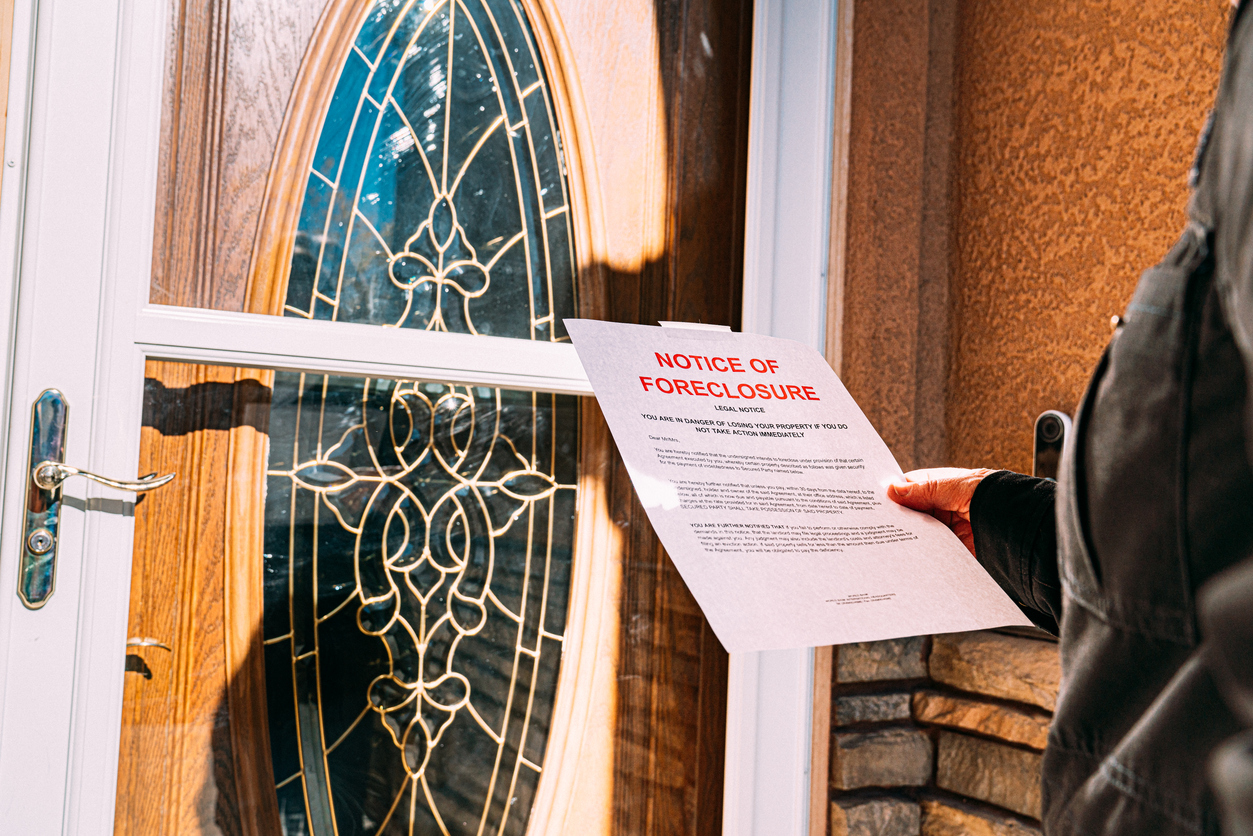
When a parent passes away with a reverse mortgage, heirs are often left facing urgent decisions, confusing lender demands, and a foreclosure timeline that moves faster than expected.
That was the situation facing a San Francisco family after their mother passed away. The family discovered that the reverse mortgage on the home had been in place for more than 20 years and had grown far beyond the current value of the property. The heirs could not pay off the loan, refinancing was not realistic, and foreclosure proceedings were already underway.
At first, the family believed they had no real option other than to let the lender foreclose.
Lawyers Realty Group was able to step in, list the property as a short sale, negotiate with the reverse mortgage servicer and HUD-related parties, stop the foreclosure, resolve the loan, and secure relocation/cooperation funds for the family.
The Problem: An Underwater Reverse Mortgage After Death
Reverse mortgages can create serious problems for heirs after the borrower passes away. Unlike a traditional mortgage, a reverse mortgage does not usually require monthly payments during the borrower’s lifetime. Instead, the balance grows over time as interest is added to the loan amount.
After many years, the payoff necessarily becomes much larger than the original loan. In some cases, the balance can even exceed the value of the home.
That is exactly what happened here.
The heirs were dealing with:
- A deceased parent’s reverse mortgage
- A loan balance that exceeded the home’s value
- No practical ability to refinance or pay off the debt
- Active foreclosure proceedings
- Confusion about whether they had any rights or options
Many families in this situation assume they must simply walk away. That is always a mistake.
Heirs May Still Have Options
When a reverse mortgage becomes due after the borrower’s death, heirs cannot simply take over the loan like a traditional mortgage. But that does not mean foreclosure is the only outcome.
Depending on the facts, heirs may be able to sell the property, request more time, negotiate a payoff, or complete a reverse mortgage short sale.
A reverse mortgage short sale can be especially important when the home is worth less than the loan balance. Instead of allowing the property to go to foreclosure, the home may be sold for less than the full amount owed, with the lender or servicer approving a reduced payoff.
In the San Francisco matter, Lawyers Realty Group used its combined legal and real estate brokerage model to move quickly. The property was listed on the MLS, marketed to buyers, and handled as a negotiated short sale rather than being abandoned to foreclosure.
Why the Attorney/Realtor® Model Matters
Reverse mortgage problems after death are not just ordinary real estate transactions. They often involve legal deadlines, foreclosure rules, title issues, lender requirements, HUD-related servicing guidelines, probate or trust questions, and negotiations over whether the lender will accept less than the full balance.
A traditional real estate agent may be able to list a property, but is simply not be equipped to analyze the legal risk, communicate with the servicer at the necessary level, or manage the foreclosure issues surrounding the sale.
A law firm may be able to address legal issues, but will noy have the brokerage infrastructure to list and sell the property through the MLS.
Lawyers Realty Group combines both roles.
In this case, that combined model allowed the firm to:
- List the home for sale as a short sale
- Communicate directly with the reverse mortgage servicer
- Negotiate a reduced payoff
- Stop the foreclosure process
- Resolve the underwater reverse mortgage
- Obtain cooperation/relocation funds for the heirs
- Help the family move forward without simply losing the property to foreclosure
The Result: Foreclosure Avoided and the Loan Resolved
The short sale allowed the family to resolve a reverse mortgage that appeared impossible to deal with. The foreclosure was stopped, the debt was satisfied through the approved short sale, and the heirs received financial assistance that would not have been available if the home had simply gone to foreclosure.
That outcome is important because many heirs never learn that these options may exist.
When a reverse mortgage borrower passes away, timing becomes critical. Waiting too long can reduce the available options and increase the risk that the lender will complete the foreclosure before the family has a chance to act.
What Heirs Should Do After a Parent Dies With a Reverse Mortgage
If you inherited a home with a reverse mortgage, or if a parent recently passed away and the lender is demanding payment, do not assume foreclosure is inevitable.
You should promptly determine:
- The current reverse mortgage payoff amount
- The current fair market value of the home
- Whether the property has equity or is underwater
- Whether foreclosure has already started
- Whether the estate, trust, or heirs have authority to sell
- Whether a short sale or other negotiated resolution is available
Even when the loan balance is higher than the home value, there may still be a way to sell the property, avoid foreclosure, and protect the family from unnecessary stress and loss. In a short sale, there are no costs or fees charged to the heirs. The reverse mortgage lender pays all costs and fees.
Help for California Heirs Facing Reverse Mortgage Foreclosure
Lawyers Realty Group helps California homeowners, heirs, trustees, and families resolve complicated reverse mortgage problems after death. The firm combines legal representation with full-service real estate brokerage services, allowing families to address both the legal and sale-related issues in one place.
If your parent passed away with a reverse mortgage, or if you received a foreclosure notice on an inherited home, contact Lawyers Realty Group for a confidential consultation.
Call Lawyers Realty Group at (949) 613-5918 or visit www.lawyersrealtygroup.com.
Prior results do not guarantee a similar outcome. Every reverse mortgage, foreclosure, probate, trust, and short sale matter depends on its specific facts. Lawyers Realty Group, 7700 Irvine Center Drive, Suite 800, Irvine, CA 92618, California DRE No. 01870511. Derik Neil Lewis, Broker of Record, CA DRE # 01439110, CA State Bar # 219981