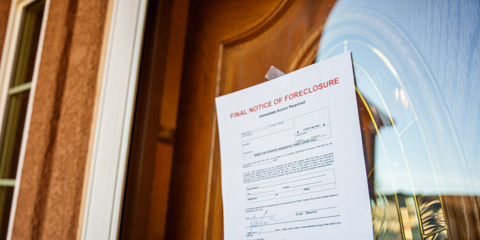


When a parent passes away with a reverse mortgage, heirs are often left with immediate questions, lender notices, confusing deadlines, and uncertainty about whether the home can be kept, sold, or saved from foreclosure.
Many heirs mistakenly believe they have only two choices: pay off the entire reverse mortgage or let the lender foreclose. In many cases, that is not correct.
A reverse mortgage after death is both a legal issue and a real estate issue. The right decision usually depends on several facts that must be gathered quickly, including the current loan balance, the current value of the property, whether foreclosure has started, whether the estate or trust has authority to act, and whether the home has equity or is underwater.
What Happens to a Reverse Mortgage After the Borrower Dies
Most reverse mortgages are Home Equity Conversion Mortgages, commonly known as HECMs, insured by the Federal Housing Administration. https://www.hud.gov/hud-partners/single-family-hecmhome. HUD explains that a HECM allows the borrower to access equity without making monthly mortgage payments while living in the home, but the loan becomes due and payable when the borrower sells the home, no longer occupies it as a primary residence, or upon the death of the last surviving borrower.
That creates a serious problem for heirs. A loan that did not require monthly payments during the borrower’s lifetime can suddenly become a deadline-driven matter after death.
The family may receive notices from the servicer. The property may need to be listed for sale quickly. A foreclosure may already be scheduled. The heirs may not yet have probate authority, trustee authority, or clear title authority to act.
That is why heirs should not wait and should not simply rely on general information from the servicer.
The Payoff Amount May Be Higher Than the Home Value
Reverse mortgages can grow over time because interest, mortgage insurance, servicing charges, and other amounts may be added to the balance. After many years, the payoff will certainly be much higher than the original amount borrowed. In most cases the payoff amount is surprisingly high.
In fact, there are a number of situations where, the reverse mortgage balance exceeds the current market value of the home.
That does not automatically mean the heirs are stuck. HUD states that when the loan balance is more than the home is worth, the estate or heirs may be able to buy out the loan, or sell the home, for at least 95% of the current appraised value, with the lender accepting the net proceeds as satisfaction of the loan. https://www.hud.gov/sites/dfiles/SFH/documents/inheriting_hecm_09-23-19.pdf
The CFPB similarly explains that when a reverse mortgage is due and payable and the home is worth less than the loan balance, heirs may repay the loan by selling the home for at least 95% of the appraised value, with the remaining balance covered by the mortgage insurance paid during the loan. https://www.consumerfinance.gov/ask-cfpb/with-a-reverse-mortgage-loan-can-my-heirs-keep-or-sell-my-home-after-i-die-en-242/
This is one of the most important rules heirs need to understand before deciding to walk away.
Heirs Need to Know the Real Timeline
Timing is critical. Once the reverse mortgage becomes due and payable, the heirs must move quickly. The CFPB states that once heirs receive a due-and-payable notice from the lender, they have 30 days to buy, sell, or turn over the home to satisfy the debt, and that the timeline may be extended in some circumstances so heirs can sell the home or obtain financing.
HUD also states that lenders may approve 90-day extensions when the estate or heirs provide satisfactory documentation that they are actively trying to sell the property or repay the HECM loan.
The practical lesson is simple: the heirs need to act before the foreclosure process gets too far along.
Waiting too long can reduce the available options. It can also make it harder to obtain extensions, complete probate steps, list the property, negotiate with the servicer, or close a sale before foreclosure.
The First Questions Heirs Should Answer
Before deciding whether to keep the home, sell the home, pursue a short sale, or allow foreclosure, heirs should promptly determine:
- The current reverse mortgage payoff amount
- The current fair market value of the home
- Whether the home has equity or is underwater
- Whether a Notice of Default or foreclosure sale has been recorded or scheduled
- Whether there is a trust, probate case, or other authority to act
- Whether there is an eligible non-borrowing spouse
- Whether the servicer has issued a due-and-payable notice
- Whether a short sale, deed in lieu, payoff, refinance, or sale is available
- Whether relocation or cooperation assistance may be available
- Whether there are title issues, liens, unpaid taxes, insurance problems, or occupancy issues
Until those facts are known, any decision is premature.
Heirs Can Sell the Home With or Without Equity
If the home has equity, the heirs may be able to sell the property, pay off the reverse mortgage, and keep the remaining proceeds.
If the home is underwater, the heirs can still pursue a reverse mortgage short sale. A short sale allows the property to be sold for less than the total amount owed, if the lender or servicer approves the sale.
That option can be extremely important. It may allow the family to avoid a completed foreclosure, resolve the reverse mortgage, clear title through an approved sale, secure cooperation fees or relocation costs if they live in the home and then move forward without simply abandoning the property.
Heirs Cannot Take Over the Reverse Mortgage
A reverse mortgage is not the same as a traditional mortgage that the family can simply continue paying each month. The CFPB explains that heirs who want to keep the home must repay the loan balance or 95% of the home’s appraised value, whichever is less. That is why heirs need both legal and real estate guidance early.
The legal side may involve trust authority, probate authority, title, foreclosure notices, servicer communications, and the estate’s obligations.
The real estate side may involve valuation, MLS marketing, short sale strategy, buyer selection, sale timing, repair issues, occupancy issues, and closing before a foreclosure deadline.
Handling only one side of the problem can leave the family exposed.
Why Counsel and Real Estate Expertise Should Be Involved Early
Reverse mortgage problems after death are not ordinary real estate listings.
They may involve:
- HUD-related servicing requirements
- Foreclosure timelines
- Probate or trust authority
- Payoff review
- Short sale negotiation
- Appraisal disputes
- Title issues
- Occupancy and property preservation issues
- Requests for extensions
- Sale approval by the servicer
- Potential relocation or cooperation assistance
A traditional real estate agent may be able to list a property, but is not equipped or legally able to evaluate the legal risk, foreclosure timeline, authority to sell, or servicer requirements.
A law firm may be able to analyze legal issues, but will not have the licensing or brokerage infrastructure to value, list, market, negotiate, and close the sale.
That is why Lawyers Realty Group believes heirs should seek help from a team that understands both sides of the problem.
Lawyers Realty Group’s Advisory to California Heirs
If a parent or loved one passed away with a reverse mortgage, do not assume foreclosure is inevitable.
- Do not assume the full payoff must always be paid.
- Do not assume the home has no value to the family.
- Do not assume the servicer’s first communication explains every option.
- And do not wait until a foreclosure sale date is too close to manage.
The correct approach is to gather the documents, determine the payoff, review title, confirm authority to act, evaluate the home’s value, determine the foreclosure status, and identify all available options before making a decision.
In many cases, the available options may include a sale, payoff, refinance, short sale, deed in lieu, request for more time, or negotiated resolution.
Help for California Heirs Facing a Reverse Mortgage After Death
Lawyers Realty Group helps California heirs, trustees, surviving family members, and homeowners evaluate reverse mortgage problems after death. The firm combines legal analysis with real estate brokerage services, allowing families to address both the legal and sale-related issues in one place. If your parent passed away with a reverse mortgage, or if you received a foreclosure notice on an inherited home, contact Lawyers Realty Group for a confidential consultation.
Call Lawyers Realty Group at (949) 613-5918 or visit www.lawyersrealtygroup.com.
Prior results do not guarantee a similar outcome. Every reverse mortgage, foreclosure, probate, trust, and short sale matter depends on its specific facts. Lawyers Realty Group, 7700 Irvine Center Drive, Suite 800, Irvine, CA 92618, California DRE No. 01870511. Derik Neil Lewis, Broker of Record, CA DRE #01439110, CA State Bar #219981.